
Expanding Capacity™

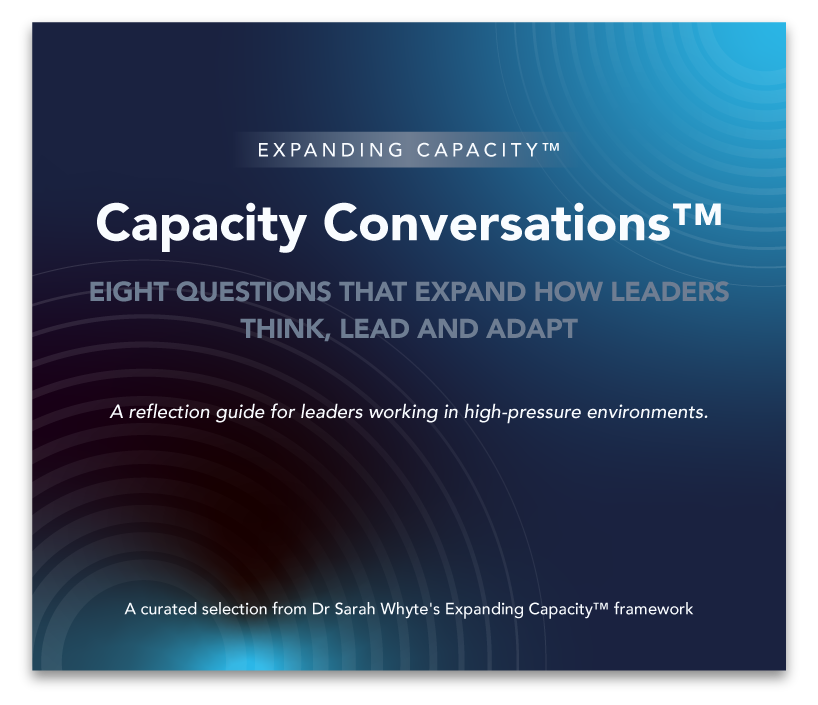
Get your FREE copy!
Would you like this straight into your inbox?
If so, please share your email and we will send it to you directly.
Contact Sarah
Click here if you’d like to go ahead and book time for a enquiry call for a speaking event direct to Dr Sarah’s calendar
Send an email to sarah@drsarahwhyte.com
Use the form below to get in touch. We’re quicker than a cheetah on roller skates to reply!
VIDEOS

Blogs

Pressure is the operating condition for many people working in high-stakes environments.
In financial services, law, insurance and other professional services, people work with high expectations, complex decisions, constant scrutiny, competing priorities and ongoing change. They are expected to think clearly, make sound decisions, maintain effective relationships and adapt as circumstances change.
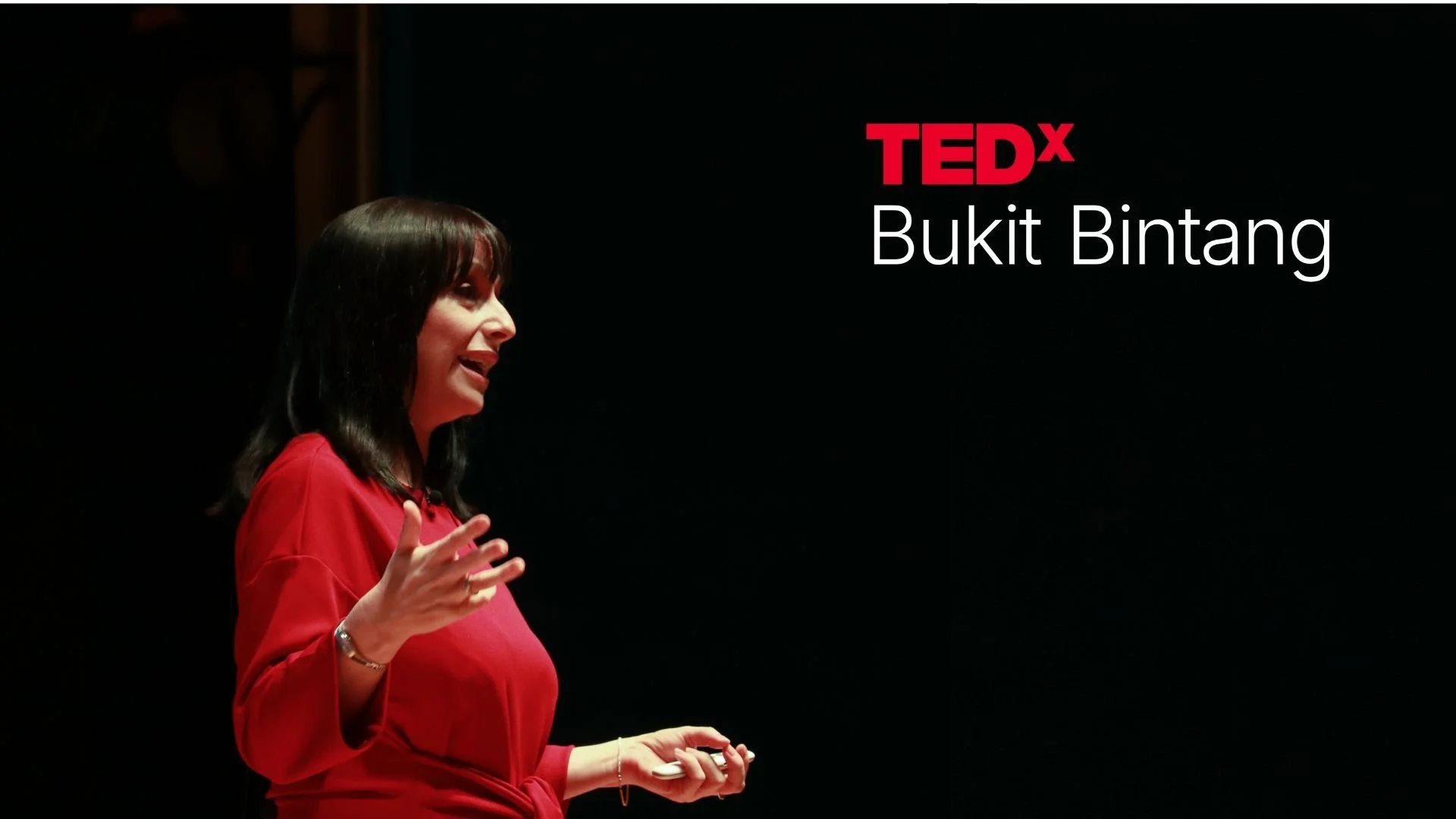
How many emotions can you name?
Happy. Sad. Angry. Anxious. Excited. Frustrated. Stressed.
This is something I regularly ask people to do in my workshops, and most people can get to ten or fifteen if they really think about it. Perhaps even more.

We have misunderstood a huge leadership challenge of the modern workplace.
Decades of leadership development have focused on reducing pressure or helping people cope with it. The reducing-pressure approach worked on the assumption that pressure was temporary and is a problem that could be solved. Helping people cope with pressure generally took the approach of recovering or reacting to the issues caused by pressure.




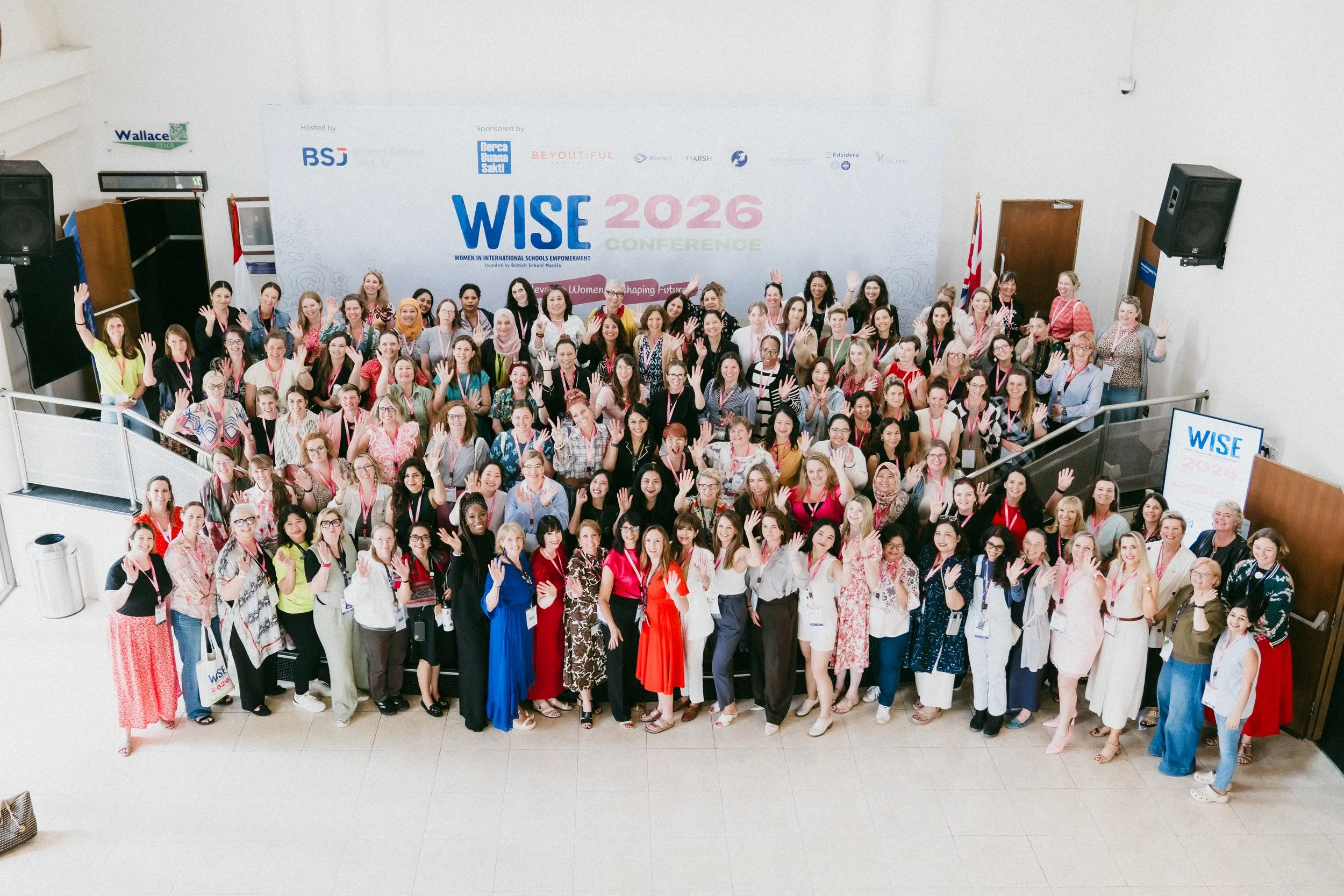
Many keynote takeaways don't last ten days, if we're being honest. People leave the room energised, maybe even scribble a few notes, then real life kicks back in. Deadlines. Emails. That tricky conversation they've been avoiding. Their good intentions get crowded out once they’re back at their desk.
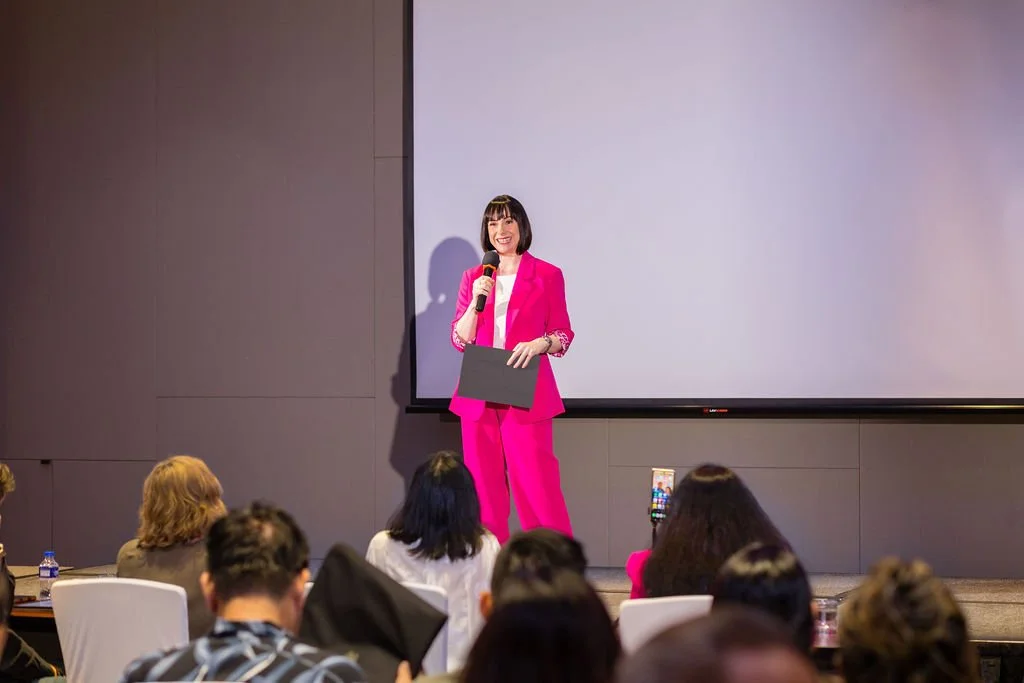
Most event organisers focus on keeping things on schedule. When I emcee, I focus on something different. I'm watching the room to protect the value of every speaker, every session and every pound invested in that event.


In high-stakes industries like financial services, law, and insurance, one reactive decision can cost millions, reputations and careers.
Leadership under pressure is the difference between clear, deliberate and effective action under high pressure, or costly failure. This is where most organisations are at risk, and this is where my work makes a difference.

Have you ever been in a meeting where the tension starts to rise, but no one can quite explain why?
Someone makes a comment in a sharper tone than intended. Another person withdraws. Someone else becomes defensive. Within minutes, the whole room feels different.

I’ve set myself a goal that makes me feel slightly sick: create 100 videos for my business in the next 30 days. In setting these ambitious goals, pressure reveals how we really perform.

Like many people recently, I’ve been watching the Winter Olympics. The level of commitment and expertise on show is always incredible. And of course, at this level, there is relentless pressure.
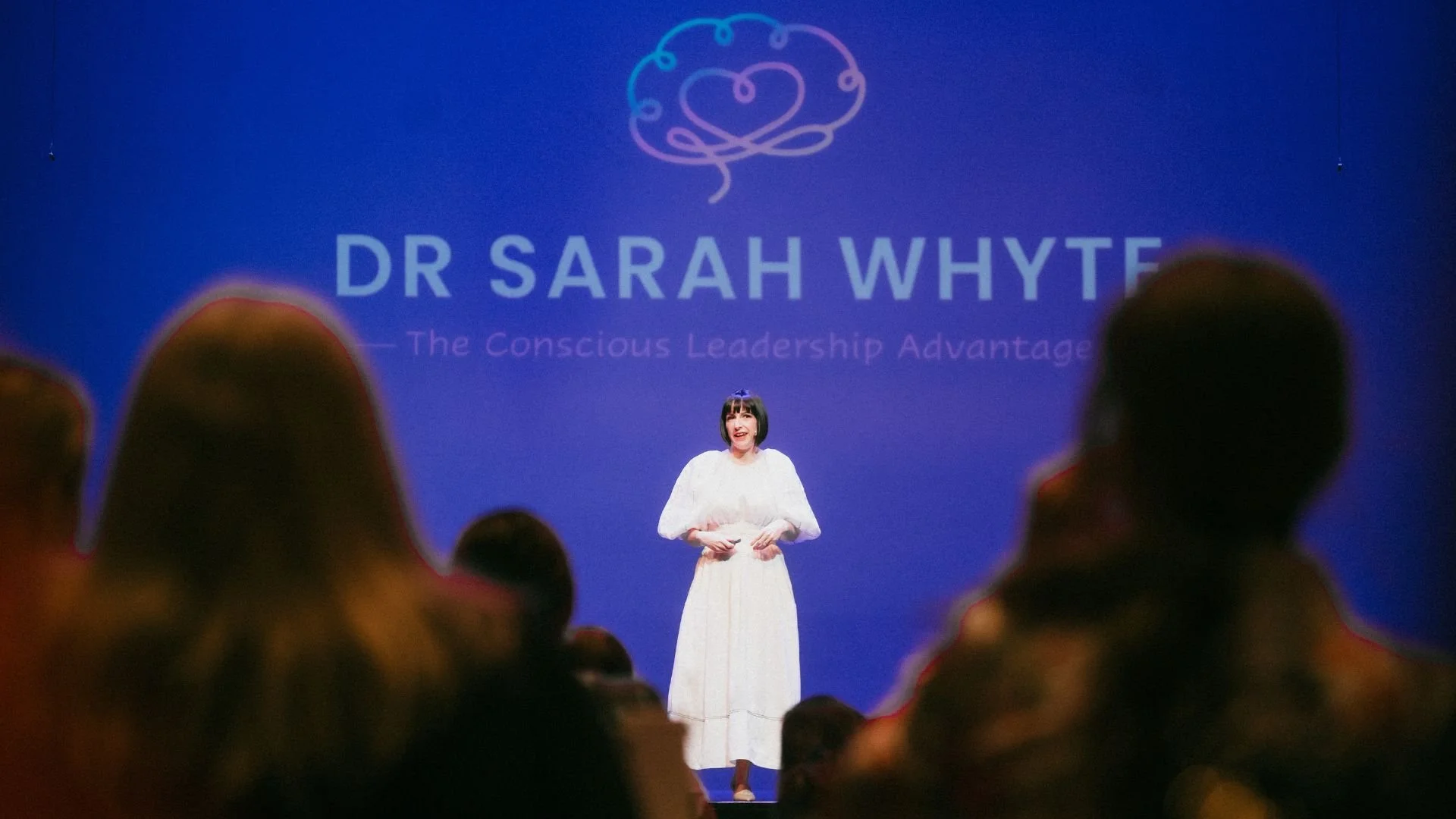
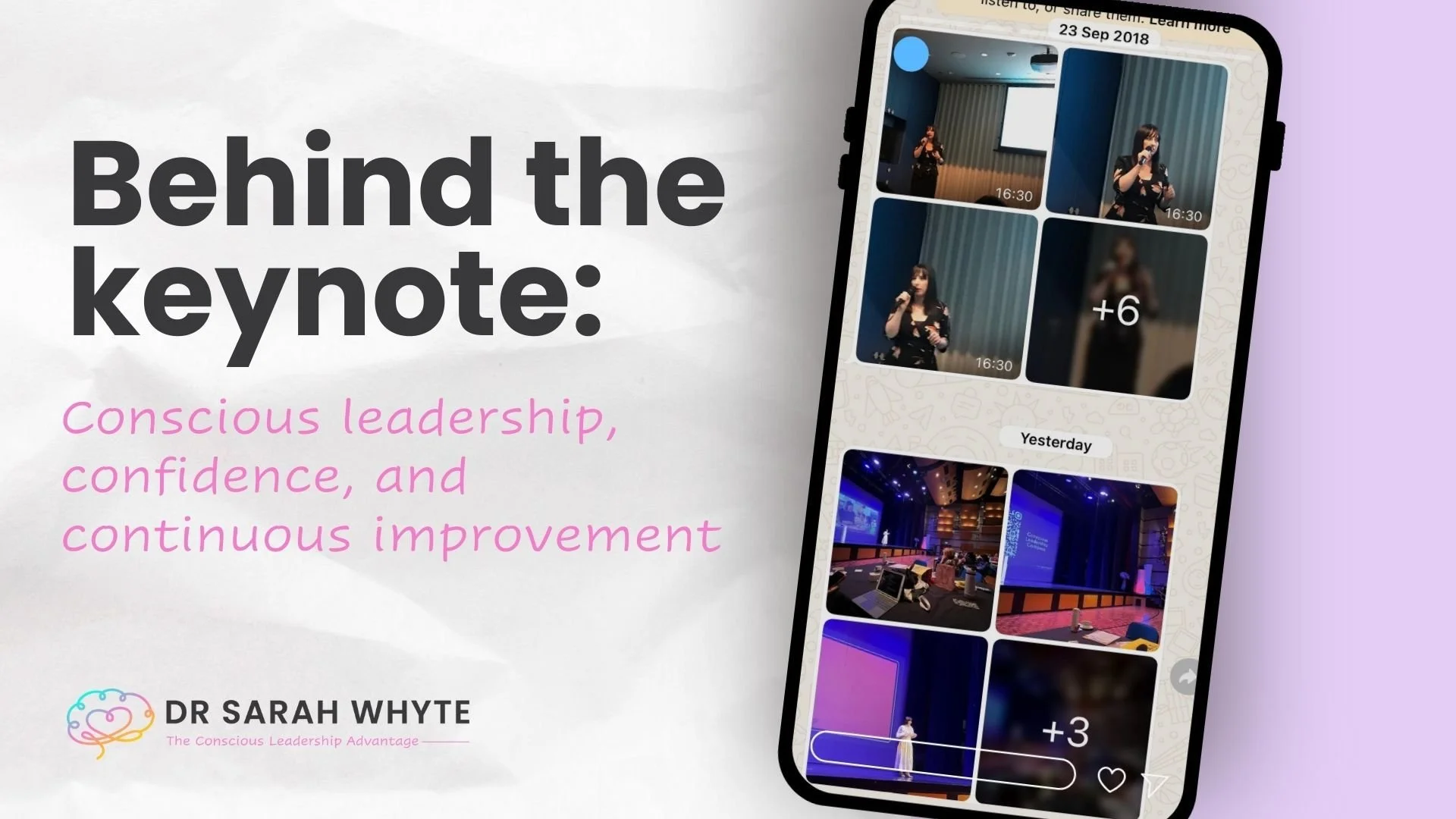
When people see a polished keynote on stage, they often see confidence, clarity, and composure.
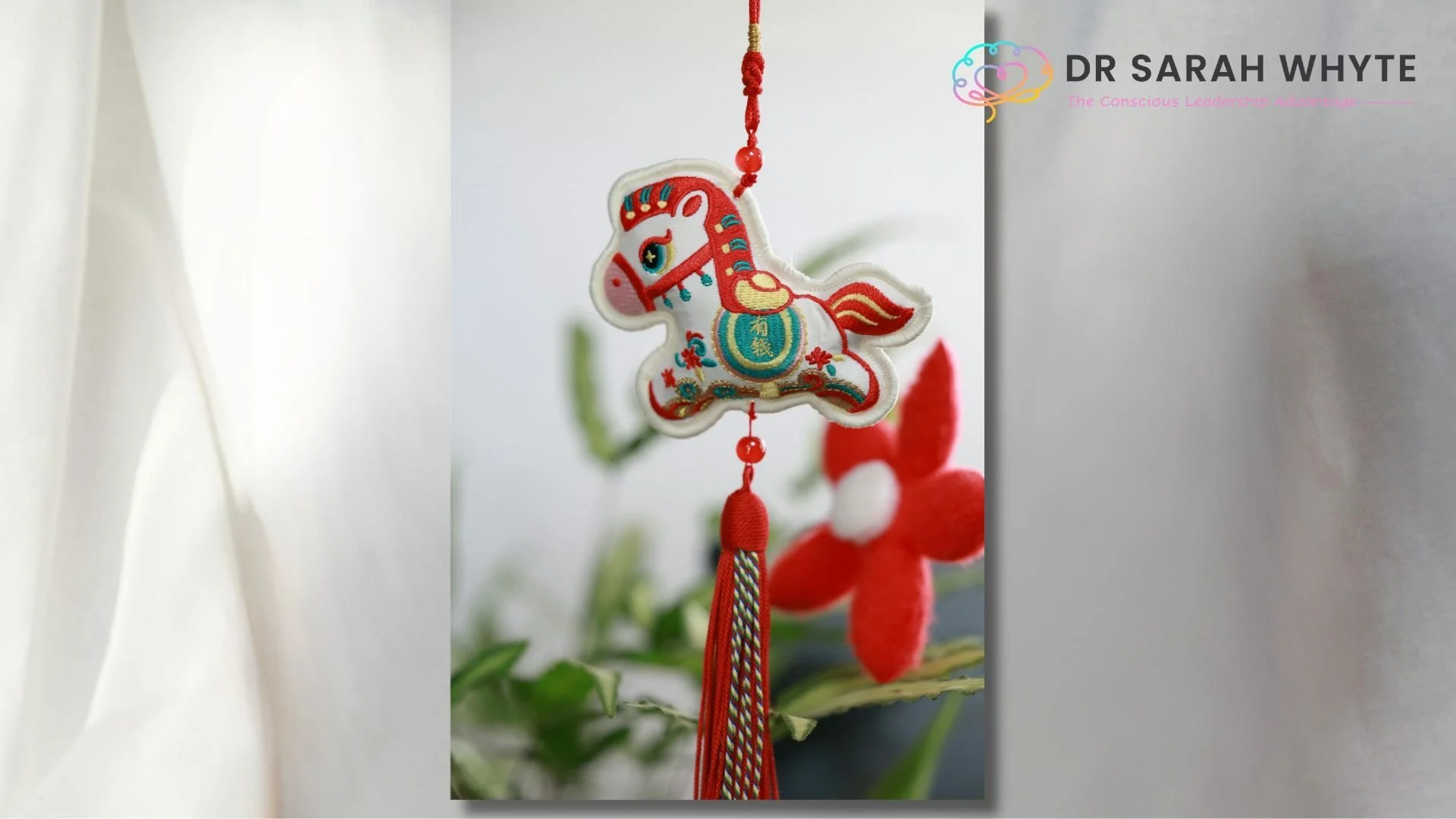
The Year of the Horse began on 17 February 2026. It marks a shift from the quiet reflection of the Snake year to a season that values vitality, courage and collaboration.
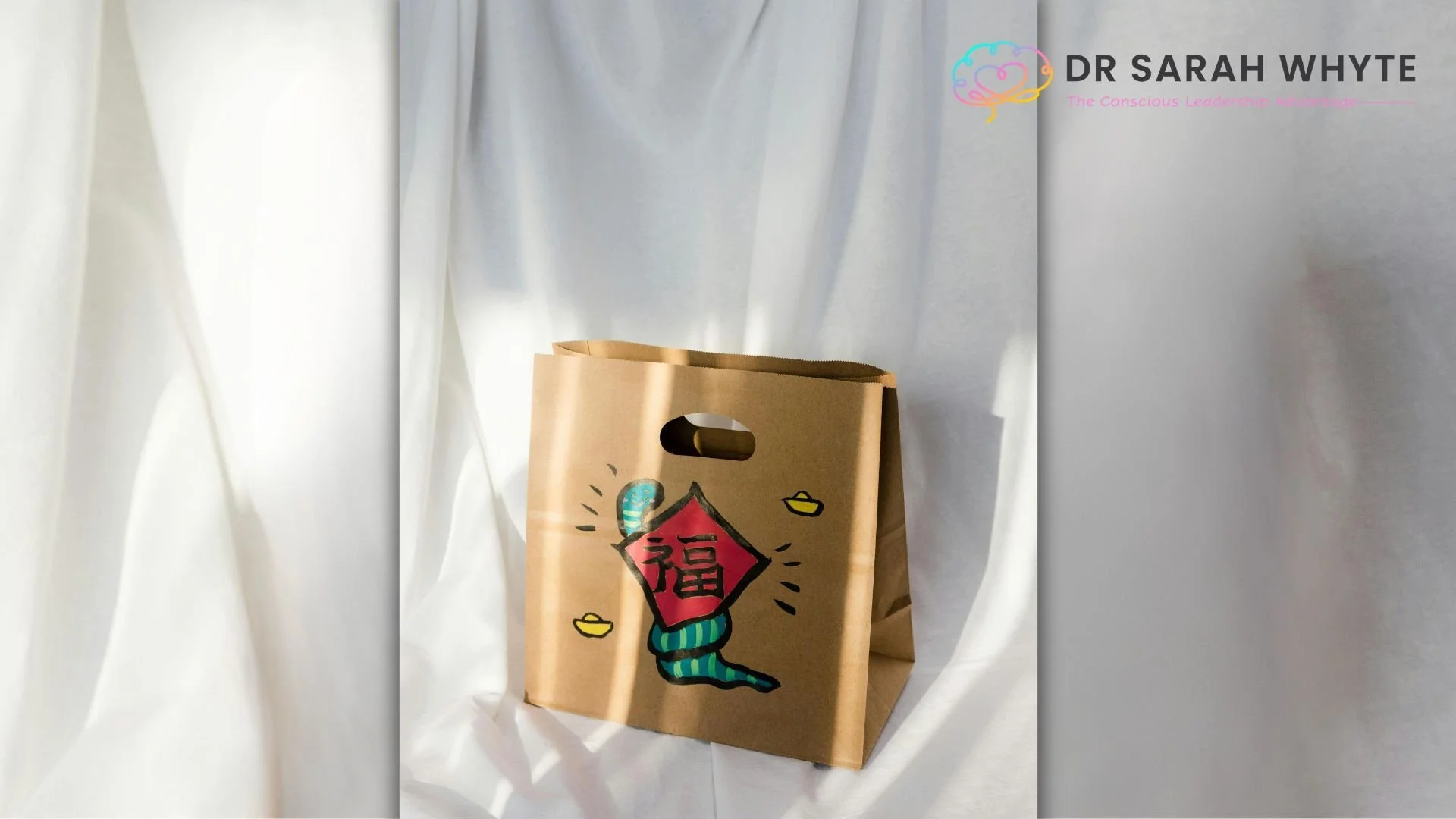
Lunar New Year decorations are already up across Singapore, ready to welcome the Year of the Horse. However, before we gallop forward, the Year of the Snake needs to come to a close on 16 February.





When was the last time you felt unfairly judged at work?
And, being honest with yourself, when was the last time you made a snap judgment about someone else?
Most people understand how judgment feels, either as the judger or the judgee.

In my opinion, deep, demonstrated listening is one of the most valuable skills in any workplace, yet it is also one of the most undervalued and underused.

As a recovering perfectionist, the focus of this edition of the Conscious Leadership Advantage is particularly close to my heart. Hopefully it’s helpful for anyone else who sees themself as a perfectionist too.

The term ‘feedback’ generates a whole range of responses from many of my clients, from dread to apathy to anxiety. The responses are rarely positive.
Whether you are expected to share feedback or you’re on the receiving end, it seems that feedback turns into big missed opportunities to increase engagement, performance and retention.


In today's fast-paced world, my clients have one thing in common. They are under constant pressure.
One focus in my work is to help people shift gears to approach pressure in a different way for better decision-making, stronger leadership, and a more fulfilling career.

Ever been in one of those meetings? The ones where the air crackles, you can sense the tension, voices get a little too pointed, and what started as a crucial discussion quickly spirals downwards?

I’m a recovering perfectionist, and one of the habits I found most difficult to change was to be compassionate to myself rather than critical, especially when things are imperfect which, let’s face it, is pretty much all of the time!